
What Is Anxiety?
As a parent, it can feel heartbreaking to watch your child struggle with worry, fear, panic, overwhelm, or emotional outbursts that seem completely out of their control.
Maybe mornings feel heavy because your child is anxious about school. Maybe bedtime brings racing thoughts, stomach aches, tears, or a constant need for reassurance. Maybe your child gets angry or shuts down, and even they do not fully understand why they feel the way they do.
At Pacific Pointe Chiropractic, we want parents to know this clearly. Anxiety is not your child being difficult. It is not a lack of discipline. It is not something they are choosing.
Many times, anxiety is a sign that the nervous system is overwhelmed and having a hard time feeling safe, calm, and regulated.
When we begin to look at anxiety through a nervous system lens, we can move beyond simply managing symptoms and begin asking a deeper question.
Why is the body stuck in stress mode?
Understanding Anxiety
Anxiety is an intense feeling of worry, fear, or unease. It can show up when the body senses stress, uncertainty, or a possible threat.
In small moments, anxiety can be a normal human response. The body is designed to protect us. When we sense danger or stress, the brain and nervous system activate what is often called the fight, flight, or freeze response.
This response can increase heart rate, breathing, alertness, muscle tension, and stress hormones like adrenaline and cortisol. In the right moment, this can help the body respond quickly and stay safe.
But when a child’s nervous system gets stuck in this heightened state, anxiety can become more than an occasional feeling. It can begin to affect their daily life, their emotions, their behavior, their sleep, their digestion, their focus, and their confidence.
For many children, anxiety is not just happening in their thoughts. It is happening throughout the whole body.
What Anxiety Can Look Like in Children
Anxiety does not always look like fear or worry on the outside. In children, it can show up in many different ways.
Some children become clingy, tearful, nervous, or withdrawn. Others may become angry, irritable, controlling, or easily frustrated. Some children may complain of stomach aches, headaches, trouble sleeping, or feeling sick before school or social situations.
Common signs of anxiety may include:
- Feeling nervous, tense, or restless
- A sense of panic or fear
- Rapid breathing
- Increased heart rate
- Sweating or trembling
- Feeling weak or tired
- Trouble concentrating
- Difficulty sleeping
- Digestive issues
- Sensory sensitivity
- Emotional outbursts
- Muscle tension
- Avoidance of certain places or activities
- Needing constant reassurance
- Trouble separating from a parent or caregiver
For many families, the hardest part is knowing that their child does not want to feel this way either. They may say they do not know why they are upset, why they are scared, or why their body feels so overwhelmed.
This is why it is so important to look beneath the surface.
Anxiety and the Nervous System
At Pacific Pointe Chiropractic, we look at anxiety through the lens of nervous system regulation.
The nervous system controls how the body responds to stress, processes emotions, adapts to change, and communicates between the brain and body. When the nervous system is balanced, a child can move through challenges with more ease. They can feel an emotion, process it, and return back to calm.
But when the nervous system is overwhelmed, the body can get stuck in a state of stress.
This means the sympathetic side of the nervous system, which is responsible for fight, flight, or freeze, may be working too hard. At the same time, the parasympathetic side, which helps the body rest, relax, digest, heal, and regulate, may not be able to do its job well.
This imbalance is often referred to as dysautonomia.
When the body is stuck in this pattern, even small things can feel big. A normal transition, a loud noise, a change in routine, a school drop off, or a new environment can feel overwhelming to a child whose nervous system is already running on high alert.
The Role of the Vagus Nerve
One of the most important parts of the calming side of the nervous system is the vagus nerve.
The vagus nerve plays a major role in helping the body relax, regulate emotions, support digestion, calm the heart rate, and shift out of stress mode. When the vagus nerve is functioning well, the body has a greater ability to adapt and recover after stressful moments.
When the vagus nerve and nervous system are under stress, children may have a harder time calming down, sleeping well, digesting properly, handling transitions, or feeling safe in their body.
This is one reason anxiety can often show up alongside other challenges such as sensory processing struggles, ADHD, autism, sleep issues, digestive issues, or emotional regulation concerns.
It is all connected through the nervous system.
What Can Contribute to Nervous System Stress?
Every child has a story.
For some children, nervous system stress may begin very early in life. Stress during pregnancy, birth interventions, birth trauma, tension from delivery, early feeding struggles, colic, reflux, chronic ear infections, falls, injuries, illness, emotional stress, toxins, or sensory overload can all place stress on the developing nervous system.
Over time, these stressors can build up.
The body may begin to operate from a place of protection instead of ease. Instead of feeling calm and connected, the child’s nervous system may stay on alert, constantly scanning for what feels unsafe or overwhelming.
This does not mean your child is broken.
It means their body may need support.
Why Anxiety Can Turn Into Anger
One of the most important things for parents to understand is that anxiety and anger can often go hand in hand.
When a child feels overwhelmed or unsafe, anger can become the body’s way of trying to regain control. What looks like defiance may actually be a nervous system that is maxed out.
Your child may yell, cry, refuse, run away, shut down, or push back because their body is in protection mode. They may not have the words to explain what is happening inside, so their behavior becomes the message.
This is why we never want to only focus on the behavior. We want to understand what the body is trying to communicate.
When the nervous system becomes more regulated, many parents notice that their child has an easier time expressing emotions, calming down, communicating needs, and moving through stressful moments.
Different Types of Anxiety
Anxiety can look different for every child.
Some children struggle with separation anxiety and feel intense fear when away from a parent or caregiver. Others may struggle with social anxiety and feel overwhelmed in group settings or social situations.
Some children experience panic symptoms, where the body suddenly feels out of control with a racing heart, rapid breathing, shaking, or intense fear. Others may avoid certain places, activities, or environments because their nervous system associates them with stress or overwhelm.
There are many labels for different types of anxiety, but at the root, we often see the same pattern.
The nervous system is having a hard time adapting, calming, and feeling safe.
How Pacific Pointe Chiropractic Looks at Anxiety
At Pacific Pointe Chiropractic, our approach is different because we do not look at anxiety as simply a mindset issue or a behavior problem.
We look at the nervous system.
We take time to understand your child’s full story, including pregnancy, birth, early development, health history, stressors, sleep, digestion, sensory challenges, emotional regulation, and daily struggles.
This helps us better understand when the nervous system may have first shifted into stress mode and how that stress may still be affecting your child today.
Our goal is not to chase symptoms. Our goal is to understand what is happening beneath the surface and support the body’s ability to regulate from the inside out.
Why We Use INSiGHT Scans
At Pacific Pointe Chiropractic, we use advanced, non invasive INSiGHT Scans to help us better understand how your child’s nervous system is functioning.
These scans allow us to look at patterns of stress and imbalance within the nervous system. They help us see how the body is adapting and where it may be holding tension or interference.
For families, this can be incredibly validating.
Many parents come to us after feeling like they have tried everything. They know something is going on, but they have not always been given clear answers. The scans help us connect the dots and create a care plan that is specific to your child’s needs.
We do not guess. We gather information, look at the nervous system, and create a plan with intention.
Iris' Story

One family shared that before bringing Iris to Pacific Pointe Chiropractic, they were searching for answers and support. Iris was struggling with emotional regulation, frustration, and focus. Simple tasks could feel overwhelming, and she would become frustrated very quickly when things felt hard.
After starting care, her family began noticing beautiful changes within just the first couple of weeks. Iris became calmer, more focused, and more confident. Tasks that once felt difficult became easier for her to work through, and her frustration started to decrease.
Her family also noticed that her mood regulation improved. She seemed happier, her mood swings became less intense, and she was able to move through her day with more ease. What once felt overwhelming started to feel more manageable.
For Iris, this was not just about behavior. It was about her nervous system beginning to feel more regulated, supported, and safe.
At Pacific Pointe Chiropractic, stories like Iris’ are why we are so passionate about looking deeper. When the nervous system is overwhelmed, children can struggle with big emotions, focus, frustration, and anxiety. But when the nervous system is supported, families often begin to see their child feel calmer, more connected, and more like themselves again.
How Chiropractic Care May Help Support Children With Anxiety
Pediatric chiropractic care at Pacific Pointe Chiropractic is gentle, specific, and focused on supporting nervous system function.
We are not treating anxiety as a diagnosis. Instead, we focus on reducing stress and tension within the nervous system so the body can communicate, adapt, and regulate more effectively.
When there is tension or imbalance within the spine and nervous system, communication between the brain and body can be affected. Gentle chiropractic adjustments help support that communication and help the body shift toward a calmer, more regulated state.
As the nervous system becomes more balanced, many parents notice changes such as:
- Improved sleep
- Fewer emotional outbursts
- Better transitions
- Improved focus
- Less overwhelm
- More confidence
- Better communication
- Improved digestion
- Greater ability to calm down
- More ease in daily routines
Every child is different, and healing is a process. But when the nervous system is supported consistently, the body often begins to function with more ease.
Supporting the Whole Child
We believe children deserve to be seen as a whole person, not just a list of symptoms.
Anxiety can affect the entire family. It can make mornings harder, bedtime longer, school more stressful, and everyday routines feel unpredictable. We understand how exhausting it can be to constantly wonder what might trigger your child next.
Our heart is to create a safe, supportive space where families feel heard, understood, and empowered.
Your child does not need more pressure. They need connection, consistency, and a nervous system that feels safe enough to calm.
That is the foundation we focus on.
There Is Hope for Your Child
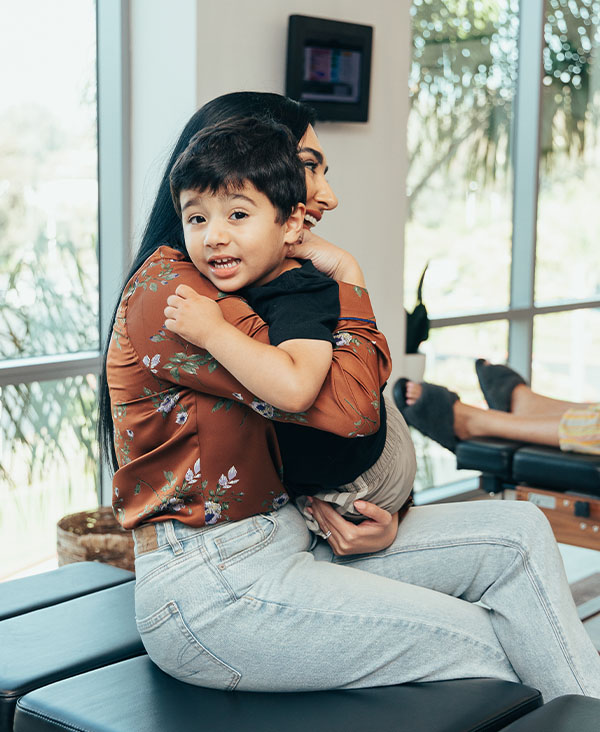
If your child is struggling with anxiety, overwhelm, emotional outbursts, or constant worry, we want you to know that you are not alone.
There is hope.
Your child is not too sensitive. They are not bad. They are not trying to make life harder. Their nervous system may simply be overwhelmed and asking for help.
At Pacific Pointe Chiropractic, we are passionate about helping children feel calmer, safer, and more connected in their bodies. Through gentle, nervous system focused chiropractic care, we help families better understand what is going on and create a plan to support regulation from the inside out.
Your child deserves to feel safe in their body.
Your family deserves support.
And we would be honored to walk alongside you.
Ready to Learn More?
If your child is struggling with anxiety, worry, overwhelm, or emotional regulation, Pacific Pointe Chiropractic is here to help.
Our team would love to learn more about your child, answer your questions, and help you better understand how their nervous system may be functioning.
You do not have to keep guessing.
We are here to support your family every step of the way.
What Our Patients Are Saying
Pacific Pointe Chiropractic. ©2026 Demand Boost, Inc. — Chiropractic Marketing