
Allergies vs Cold in Children: How to Tell the Difference
When your child wakes up with a runny nose, puffy eyes, sneezing, congestion, or a cough, it can be hard to know what is actually going on. As a parent, your first thought might be, “Is this just a cold, or are these allergies again?”
It can be confusing because colds and allergies can look very similar on the outside. Both can cause a runny nose, congestion, sneezing, coughing, and fatigue. But what is happening inside the body is very different.
A cold is caused by a virus. Allergies are caused by the immune system overreacting to something that is normally harmless, like pollen, dust, pet dander, or mold. This difference matters because when children deal with allergies over and over again, it can be a sign that their immune system is having a hard time staying calm and regulated.
At Pacific Pointe Chiropractic, we look deeper than just the symptoms. While it is helpful to know whether your child has a cold or allergies, we also want to understand why their body may be responding the way it is, especially when symptoms keep coming back.
What Is the Difference Between a Cold and Allergies?
A cold happens when your child’s body is fighting off a virus. Their immune system turns on to protect them, which can lead to symptoms like congestion, coughing, sore throat, low energy, and sometimes a fever.
Allergies are different. With allergies, there is no virus. Instead, the immune system reacts to something harmless as if it is dangerous. This can trigger histamine, which leads to inflammation, extra mucus, sneezing, itchy eyes, and congestion.
That is why your child may seem sick, but they are not actually contagious. Their body is not fighting an infection. It is reacting.
Signs Your Child May Have Allergies
Allergies often have a few clues that make them different from a cold. Your child may have itchy, watery eyes, frequent sneezing, a clear runny nose, an itchy throat, or symptoms that get worse outside or during certain seasons.
Another big clue is that allergies usually do not cause a fever. If your child has a fever, body aches, or seems to be getting progressively more run down, that may point more toward a cold or another infection.
Allergies also tend to last longer. A cold usually improves within about 7 to 10 days, while allergies can continue as long as your child is exposed to the trigger.
Signs Your Child May Have a Cold
A cold is more likely when symptoms come on gradually, someone else in the home is sick, your child has a sore throat, their energy drops, or they develop a fever.
Colds often peak within the first few days and then slowly improve. Your child may feel tired, congested, and uncomfortable, but their body is actively working through an infection.
If symptoms are getting worse after several days, if your child has ear pain, trouble breathing, a high fever, or symptoms that are lingering for weeks, it is always best to check in with your pediatrician or trusted healthcare provider.
Can a Child Have Allergies and a Cold at the Same Time?
Yes, and this is one reason it can feel so frustrating for parents.
A child can already be dealing with allergy symptoms, then catch a cold on top of that. When the body is already inflamed and congested, it may be harder for the immune system to respond clearly and efficiently.
This is why some children seem to have a constant runny nose, repeated congestion, frequent coughs, recurring ear infections, or the feeling that they are always sick.
That pattern is important.
Why Do Some Kids Struggle With Allergies More Than Others?
This is the question many parents are really asking.
Why does one child run around outside with no problem, while another child immediately starts sneezing, rubbing their eyes, coughing, or becoming congested?
Of course, genetics and environment can play a role. But they are not the whole story.
The immune system does not work alone. It is closely connected to the nervous system. The nervous system helps regulate inflammation, immune response, digestion, sleep, and how the body adapts to stress. When the nervous system is calm and balanced, the immune system is better able to respond appropriately.
But when a child’s nervous system is stuck in stress mode, the immune system may become more reactive. Instead of calmly recognizing pollen, dust, or pet dander as harmless, the body may respond as if it is under attack.
This is why we often see allergies show up alongside other signs of nervous system stress, such as poor sleep, constipation, digestive struggles, recurring ear infections, sensory challenges, difficulty calming down, or frequent illness.
Santi’s Story
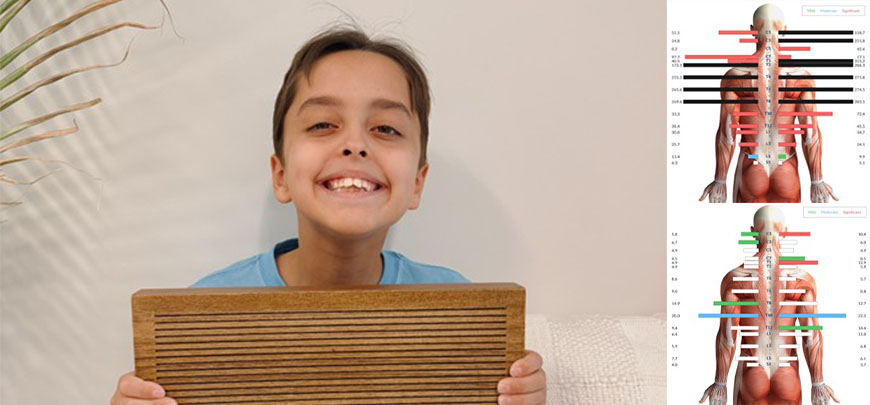
One of the families we have had the honor of caring for came to us with concerns around frequent illnesses, asthma, allergies, low energy, and mood regulation. Like so many parents, they were doing everything they could to support their child, but it felt like his body was constantly having to work harder than it should.
As we began supporting his nervous system through neurologically focused chiropractic care, his family started noticing beautiful changes. His energy improved, his asthma and allergies became less of a struggle, and his body seemed calmer and more balanced overall.
Stories like Santi’s are why we are so passionate about looking deeper. While we do not treat allergies directly, we do focus on supporting the nervous system, which plays such an important role in how the body adapts, regulates, and responds to the world around it.
The Nervous System and Immune System Connection
One of the most important pieces of this conversation is the vagus nerve.
The vagus nerve helps the brain and body communicate. It plays a major role in calming the body, regulating inflammation, supporting digestion, and helping the immune system know when to respond and when to stand down.
When the nervous system is under stress, that communication can become less clear. The body may stay in a heightened state, and the immune system may have a harder time shutting off the inflammatory response once it starts.
That means your child’s allergies may not just be about pollen or dust. They may be about how well their nervous system is helping their body adapt to those triggers.
How Pacific Pointe Chiropractic Looks at Allergies Differently
At Pacific Pointe Chiropractic, we do not diagnose or treat allergies. Instead, we look at how your child’s nervous system is functioning and whether their body is stuck in a stress pattern that may be affecting immune regulation.
This is where our INSiGHT Scans are so helpful.
These scans allow us to see how the nervous system is adapting, where stress may be building up, and whether your child’s body is having a hard time staying regulated.
For parents, this can be incredibly validating. Many families come in after trying allergy medicine, nasal sprays, humidifiers, diet changes, supplements, and countless other approaches. Those things may help manage symptoms, but they may not explain why the body is reacting so intensely in the first place.
Our goal is to help families better understand what is happening beneath the surface.
When Allergies Are More Than Just Allergies
If your child gets seasonal allergies every year, seems congested all the time, struggles with recurring colds, has frequent ear infections, or always seems to be fighting something, their body may be telling you that it needs more support.
Instead of only asking, “What is triggering this?” we also want to ask, “Why is their body having such a hard time adapting?”
That is where neurologically focused chiropractic care can be such an important part of the conversation.
By supporting the nervous system, we help the body move toward better regulation, better adaptability, and better communication between the brain, immune system, and the rest of the body.
You Do Not Have to Keep Guessing
As a parent, it can feel exhausting trying to figure out whether your child is sick, dealing with allergies, or stuck in a cycle where their body just cannot seem to catch a break.
You are not alone, and you do not have to keep guessing.
At Pacific Pointe Chiropractic, we help families look deeper. Through our detailed consultation, neurological scans, and personalized recommendations, we help parents better understand how their child’s nervous system may be impacting their overall health, including immune challenges, sleep, digestion, and regulation.
Because the goal is not just to manage symptoms.
The goal is to help your child’s body function, adapt, and heal the way it was designed to.
What Our Patients Are Saying
Pacific Pointe Chiropractic. ©2026 Demand Boost, Inc. — Chiropractic Marketing